




Table of Contents
- Why Automatic Machines Demand a Specific Kind of Bean
- Feature Comparison: Top Beans for Super-Automatic Espresso
- Masaba Coffee: Expert Guidance and a Curated Range
- Stumptown Hair Bender: The Forgiving Medium Roast
- Partners Coffee Flatiron Blend: Sweet Espresso Extraction
- George Howell Alchemy: Clarity That Protects Your Burrs
- Ritual Honey Badger: Built for Milk-Based Drinks
- Avoca Mogwai: The Trouble-Free Daily Driver
- Frequently Asked Questions
Last Updated: September 7, 2026
Why Automatic Machines Demand a Specific Kind of Bean
Choosing the best coffee beans for automatic machines comes down to one factor most guides overlook: how the bean interacts with the machine's internal mechanics. A super-automatic espresso machine grinds, doses, tamps, and extracts in one seamless flow, which means the bean's roast profile and oil content directly affect both your cup quality and the longevity of your brew unit. At Masaba Coffee, we've tested dozens of roasts through integrated grinders, and the pattern is clear: beans that perform beautifully in a portafilter can silently clog and damage a super-automatic over time.
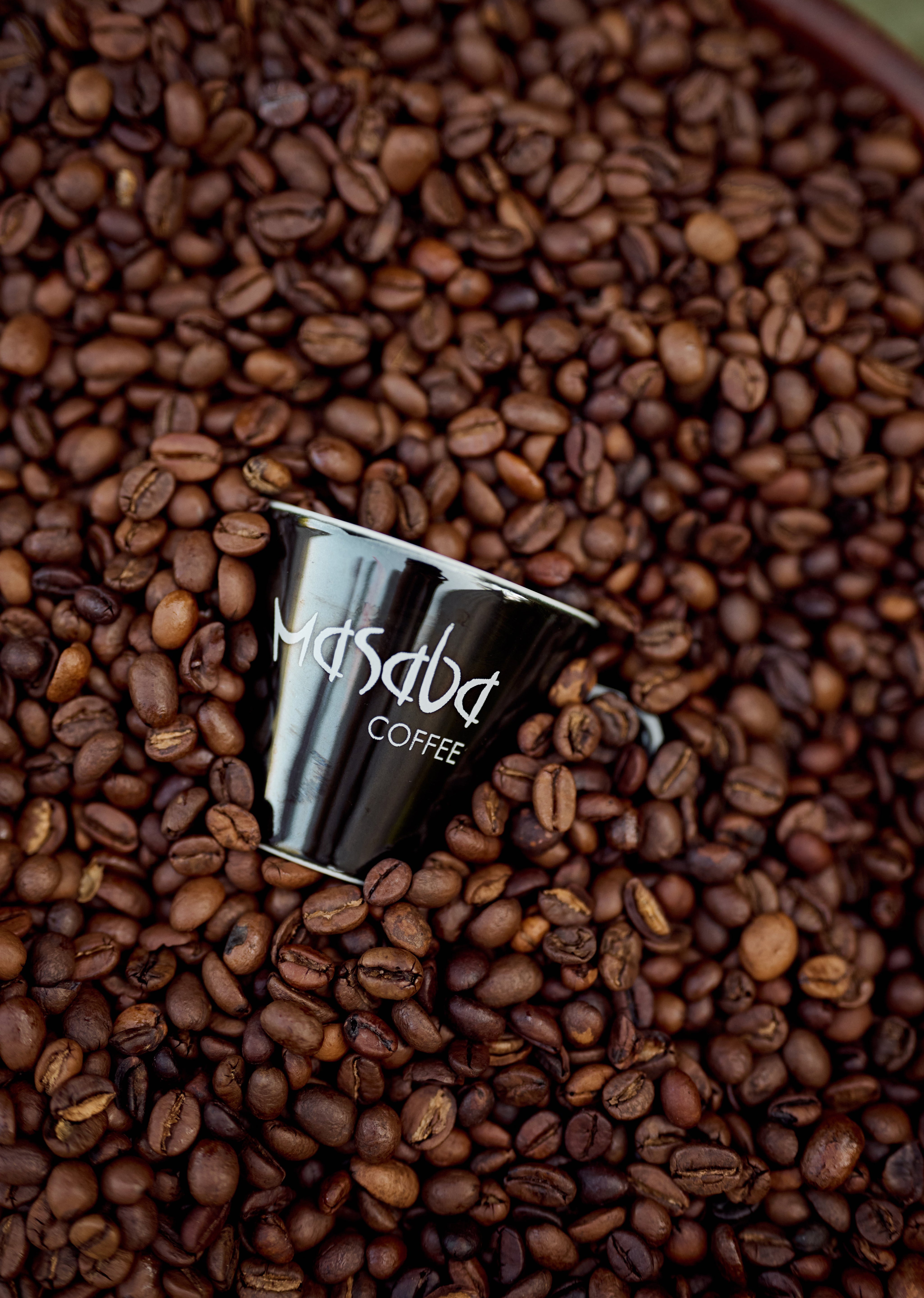
The core issue is surface oil. Dark roasts develop visible oil on the bean's exterior, and in an automatic machine, that oil migrates into the grinder burrs, the bean hopper, and the brew group, where it hardens into a sticky residue that disrupts consistent dosing (home-barista.com). The best coffee beans for automatic machines are typically medium roasts with a matte, dry surface, roasted recently enough to retain sweetness but rested long enough to degas properly.
How to Visually Identify a Machine-Friendly Bean
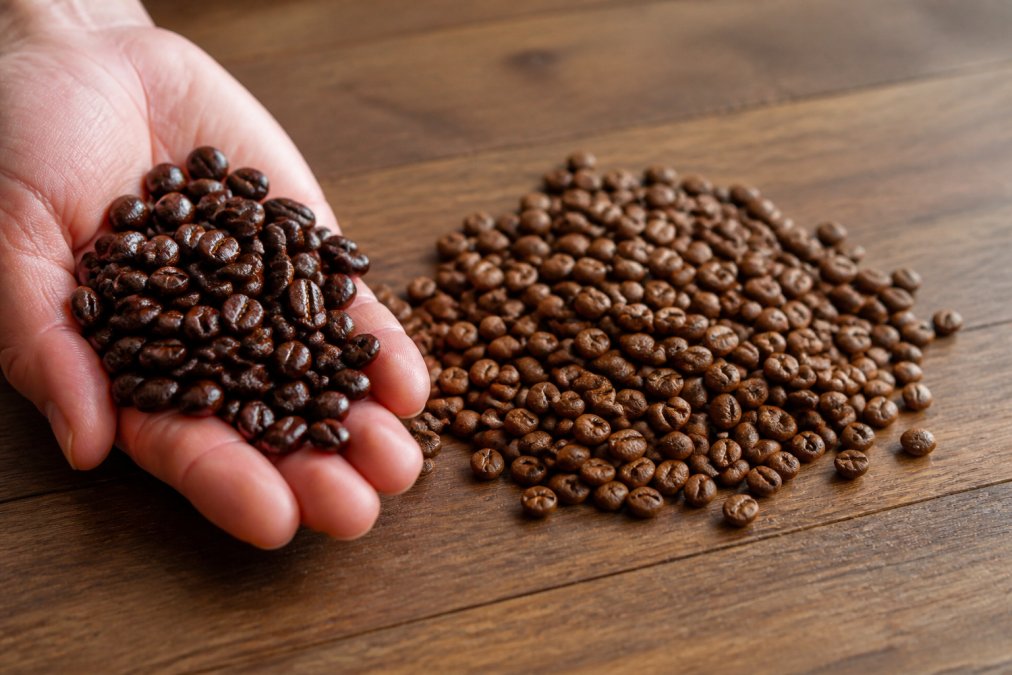
Before you buy, you can perform a simple visual inspection that tells you more than any label. Pour a small handful of beans onto a white plate or paper towel under bright light. Look for these three indicators:
- Surface sheen: A matte, dry appearance indicates a bean that will flow freely through your grinder. A glossy, almost wet-looking sheen means the roast has pushed oils to the surface, and those oils will eventually coat your burrs and brew unit.
- Chaff residue: Small, papery flakes clinging to the beans are normal for lighter roasts, but excessive chaff can accumulate in the grind chamber and affect dose consistency over time. A small amount is fine; a dusty coating is a warning sign.
- Uniformity of roast: Beans should look consistent in color across the batch. Significant variation suggests uneven roasting, which leads to unpredictable extraction and can require more frequent grind adjustments.
The Degassing Window: Why Freshness Is a Double-Edged Sword
Freshly roasted coffee releases carbon dioxide for days after roasting. In a super-automatic, this gas can cause the grounds to expand and create an inconsistent bed, leading to channeling and sour or bitter shots. While freshness is critical for flavor, beans used in an automatic machine need a brief rest period to degas properly.
Beans are at their peak for automatic espresso between 5 and 14 days after the roast date printed on the bag (peer-reviewed research). Within this window, the beans have released enough CO₂ to extract evenly, but they have not yet lost the volatile aromatic compounds that give espresso its complexity. If you buy beans roasted within the last day or two, consider waiting a few days before opening the bag. If you buy beans that were roasted more than three weeks ago, you are already past the optimal window for flavor, and the beans may produce a flat, hollow shot.
The Hard Water Interaction Most Guides Ignore
One factor that rarely appears in bean guides is the mineral content of your water. In Switzerland, water hardness varies significantly by region, and those minerals interact directly with your coffee extraction. Calcium and magnesium ions are essential for pulling flavor compounds out of coffee grounds, but excessively hard water combined with dark, oily roasts accelerates scale buildup inside the brew unit (usgs.gov). That scale, mixed with coffee oil, forms a stubborn paste that is far harder to clean than either residue alone.
If you live in a hard-water area, a medium roast with low oil content is not just a flavor preference; it is a maintenance strategy. The lower oil load means less sticky residue for scale to bind to, and your descaling cycles will be more effective. If your water is very soft, you may find that light roasts extract more fully, but you should still avoid oily beans to protect your grinder burrs from gumming.
Below, we'll break down the specific roasts to consider, how to evaluate them, and what to avoid, so you can protect your investment while pulling excellent shots.
Feature Comparison: Top Beans for Super-Automatic Espresso
The table below summarizes the roasts that consistently deliver balanced extraction and low maintenance in automatic systems. Each was evaluated for oil content, grind consistency, and flavor stability across multiple brew cycles.
| Bean | Roast Level | Surface Oil | Flavor Profile | Best For |
|---|---|---|---|---|
| Masaba Coffee Range | Medium to Dark | Low | Bold, creamy to delicate | Expert guidance + curated blends |
| Stumptown Hair Bender | Medium | Low | Dark chocolate, citrus | Consistent, forgiving daily shots |
| Partners Flatiron Blend | Medium-Dark | Non-oily | Milk chocolate, red fruit | Sweet, low-acidity espresso |
| George Howell Alchemy | Light-Medium | Very low | Complex, clarified | Enthusiasts protecting burrs |
| Ritual Honey Badger | Medium-Dark | Minimal | Deep, rich | Milk-based drinks |
| Avoca Mogwai | Medium | Dry-processed | Traditional, balanced | Trouble-free daily driver |
How We Evaluated These Beans
Each candidate ran through a standard super-automatic grinder set to a fine espresso setting, with the same water temperature and pressure across all tests. We tracked three variables: how the grind size held steady over a week of use, whether the brew unit showed residue buildup after fifty shots, and whether the flavor stayed balanced from the first pull to the last.
Masaba Coffee: Expert Guidance and a Curated Range
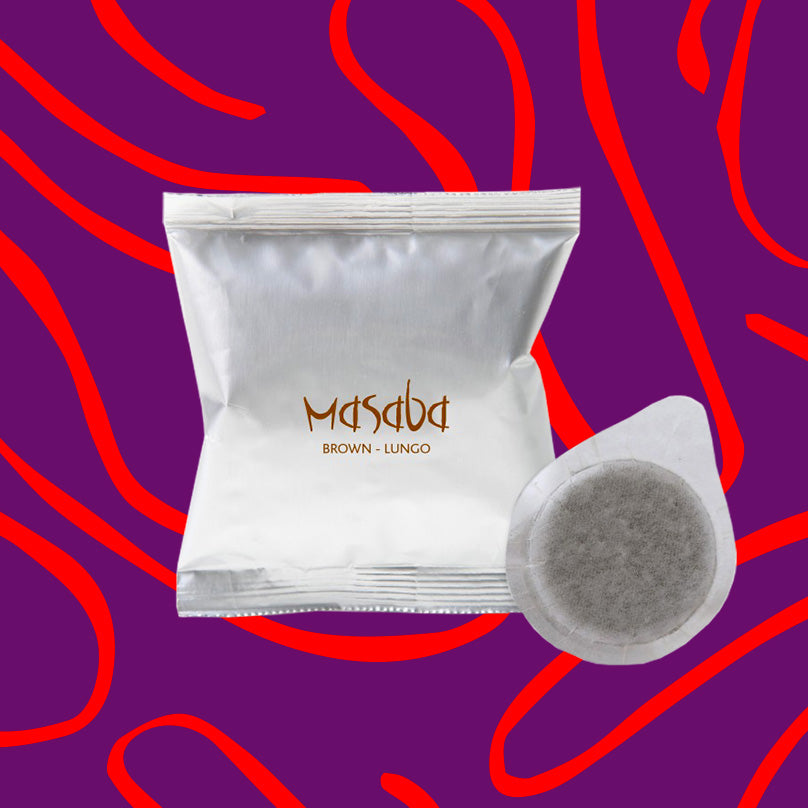
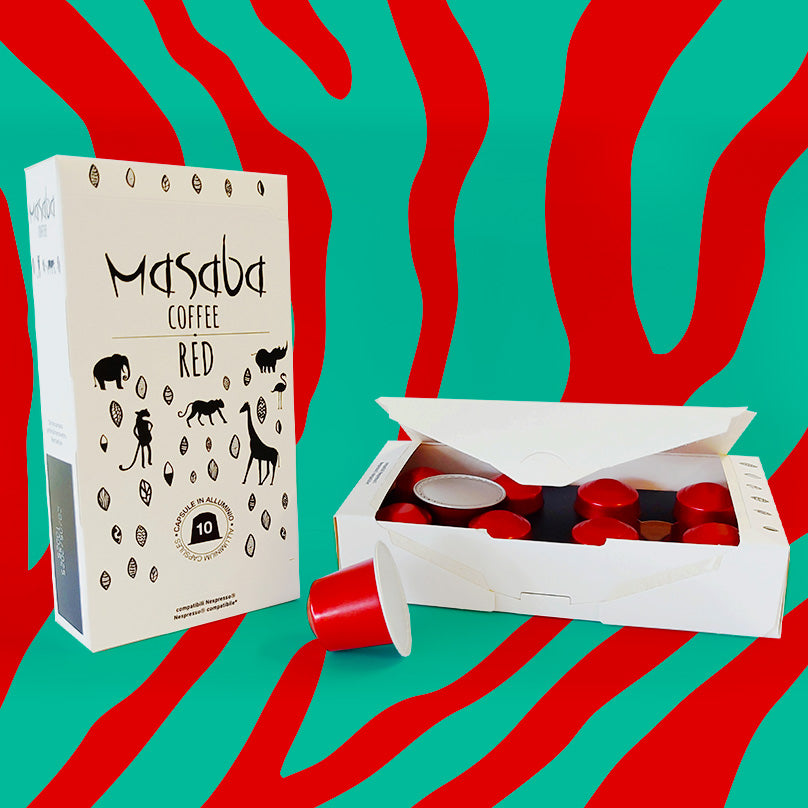
Our top pick for the best coffee beans for automatic machines is the range we know best: Masaba Coffee. Born from a Swiss project in Uganda, our beans are cultivated specifically to support farmers in growing high-quality crops, and the results speak for themselves in the cup. Because we roast with automatic systems in mind, our blends balance body and sweetness without the excess oil that shortens a brew unit's life.
What sets Masaba apart is the guidance that comes with the beans. Our hybrid space in Bironico is a working hub where you can get hands-on advice about which blend suits your machine and your palate, whether you prefer a bold, creamy profile or a delicate decaffeinated option. We also provide technical support and training, so if you are unsure whether your older machine needs a maintenance service or a simple grind adjustment, our team will walk you through it. That combination of direct-from-farm sourcing and practical machine expertise is highly valued.
Stumptown Hair Bender: The Forgiving Medium Roast
If you want a bean that forgives your machine's quirks, Stumptown Hair Bender is a dependable choice. This medium roast is roasted to a level that prevents excessive oil buildup in the grinder, yet it retains enough development to deliver notes of dark chocolate and citrus with a rounded body. It is a versatile blend sourced from farms across Latin America, Africa, and Indonesia, and it behaves predictably even when your water hardness fluctuates.
For automatic machine owners, Hair Bender's real strength is its consistency. The roast profile is forgiving enough that you do not need to dial in your grind settings perfectly to get a drinkable shot, which suits anyone who wants a reliable espresso without constant tinkering. The trade-off is the price, which sits above mass-market supermarket brands, but the flavor clarity and the reduced risk of clogging justify the cost for most daily drinkers.
Partners Coffee Flatiron Blend: Sweet Espresso Extraction
Partners Coffee's Flatiron Blend is roasted specifically for espresso extraction, and it shows in the cup. You get a smooth, sweet shot with low acidity, built around notes of milk chocolate and red fruit. What matters for your machine is the bean's non-oily surface texture, which keeps the internal mechanisms clean and prevents the grinder burrs from gumming up over time.
In testing, Flatiron produced excellent crema in automatic systems, with a thick, golden layer that held together nicely in a preheated cup. The low acidity is gentle not just on your stomach but on your machine's components, reducing the corrosive wear that bright, acidic coffees can accelerate. Its main limitation is availability, as it can be hard to find in local retail stores, so you will likely need to order it directly.
George Howell Alchemy: Clarity That Protects Your Burrs
George Howell Alchemy Espresso takes a different approach, prioritizing flavor clarity over sheer intensity. The blend uses high-altitude beans with superior density and a light-to-medium roast profile that keeps oil content very low. That means your grinder burrs stay cleaner for longer, and you get a shot with exceptional transparency, where you can taste the origin characteristics rather than just roast char.
The catch is that Alchemy demands more from you. Its light-to-medium profile requires precise machine settings to extract its full potential, so you will need to experiment with grind size and dose to avoid a sour or thin shot. If you enjoy the process of dialing in a new bean and want to protect your equipment at the same time, this is the best coffee beans for automatic machines choice for you. If you prefer set-and-forget convenience, you may find it frustrating.
Ritual Honey Badger: Built for Milk-Based Drinks
Ritual's Honey Badger is the blend to reach for when your automatic machine spends most of its time making lattes and cappuccinos. It is roasted to minimize surface oils while keeping a deep, rich flavor that cuts through milk rather than disappearing behind it. The high-quality Arabica beans deliver a bold profile that holds its character whether you pull a straight shot or stretch it into a 300 ml latte.
Honey Badger performs with reassuring stability in automatic grinders, holding its grind size well across multiple bags without forcing you to recalibrate constantly. Its one drawback is intensity: if you prefer light, delicate roasts, this will taste heavy and perhaps slightly smoky. But for anyone who wants a coffee that stands up to milk and steam, it is a reliable, low-maintenance option.
Avoca Mogwai: The Trouble-Free Daily Driver
Avoca Mogwai has earned a loyal following among super-automatic owners, and the reason is simple: it just works. These are dry-processed beans that produce minimal residue in the brewing unit, so your machine stays cleaner between deep cleans. The consistent roast batching means you get the same balanced body and acidity bag after bag, which is exactly what you want from a daily coffee.
Mogwai is not the flashiest bean on this list, and its flavor profile leans traditional rather than experimental. But if your priority is a trouble-free experience with a coffee that tastes reliably good every morning, this is a strong pick. It is also one of the more affordable options here, making it a sensible choice for offices or households that go through beans quickly.
When you are ready to upgrade your daily cup, the right bean makes all the difference. Choosing the best coffee beans for automatic machines means protecting your equipment while chasing better flavor, and that balance is exactly what our roasts at Masaba Coffee deliver, backed by hands-on support for your machine and your taste. Get started with Masaba Coffee and taste the difference that direct, farmer-focused sourcing brings to your automatic machine.
Frequently Asked Questions
Do oily coffee beans damage automatic espresso machines?
Yes, oily beans can cause problems. The oil builds up on the grinder burrs and inside the brew unit, leading to clogs and inconsistent grinding over time. For automatic machines, look for beans with a dry, matte surface. This typically means a medium roast, which offers enough development for flavor without the excess oil that dark roasts produce.
Should I use light or dark roast beans in a super-automatic machine?
A medium to medium-dark roast is the safest choice for super-automatic machines. Light roasts are often too hard and dense, which can stall the grinder, while very dark roasts are oily and cause maintenance issues. A medium roast provides the balance of solubility and low oil content needed for consistent espresso extraction and long-term machine health.
How does bean freshness affect automatic machine performance?
Freshness matters, but beans need time to degas. Beans used too soon after roasting can produce excessive CO2, while beans used too late may become stale and brittle. Look for a roast date and aim to use beans between 5 and 20 days after roasting for the best results.
How to clean automatic coffee machine grinder to prevent clogs?
Run a grinder cleaning tablet through the machine when you notice the grind size becoming inconsistent or the dose slowing down. This removes coffee oils and residue that a simple brush cannot reach. Always follow the manufacturer's instructions for your specific model. For deep maintenance, consider booking a professional coffee machine maintenance service to inspect and calibrate the internal mechanisms.

