




Table of Contents
- Why Your Home Coffee Misses the Mark (and How to Fix It)
- Start with Freshly Roasted Whole Beans
- The Best Coffee Grind Size for Different Brewing Methods
- The Best Coffee-to-Water Ratio for Pour-Over and Beyond
- Water Quality and Temperature: The Silent Variables
- A Coffee Extraction Troubleshooting Guide for Sour or Bitter Cups
- How to Make Cold Brew Coffee at Home Without Special Equipment
- Your Path to a Better Daily Cup
- Frequently Asked Questions
Last Updated: September 6, 2026
Why Your Home Coffee Misses the Mark (and How to Fix It)
Most home brewing problems trace back to four silent variables: stale beans, inconsistent grind size, an unreliable coffee-to-water ratio, and water that is either too hot, too cold, or too hard. Fix those, and you will notice a dramatic shift in your cup. This guide walks through practical fixes that cost little or nothing to implement.
Brewing better coffee is not about expensive machinery or barista certification. It is about controlling a few fundamentals with intention. The Specialty Coffee Association has long published brewing standards and water quality guidelines that define what a balanced cup should taste like, and those same principles apply whether you use a 50 franc dripper or a professional espresso machine.
These methods can be applied across various blends, from bold and creamy espresso roasts to delicate decaffeinated options. The fixes below can help produce a cleaner, sweeter, more aromatic cup. By the end, you will have a better understanding of how to improve your brewing routine.
Start with Freshly Roasted Whole Beans
Coffee is a perishable product. Once roasted, beans begin degassing and losing volatile aroma compounds within days. Pre-ground coffee from a supermarket shelf may have been sitting in that bag for months, which explains why it tastes flat and dusty no matter how carefully you brew.
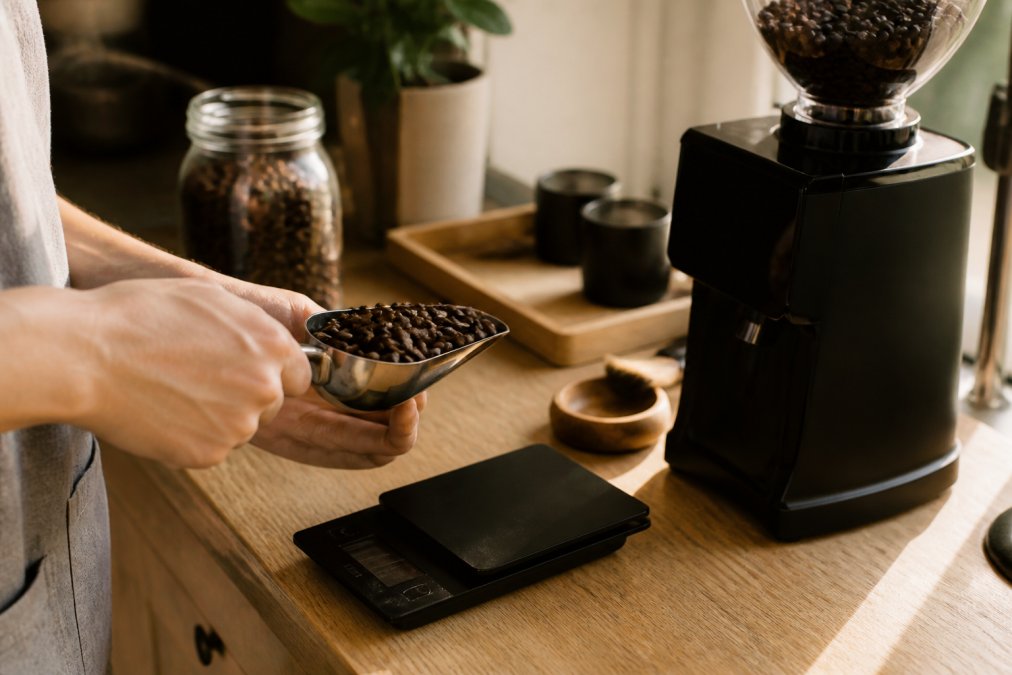
The single highest-impact change you can make is switching to whole beans with a visible roasted on date, not a best-before date. Buy only what you will use in two to three weeks.
The Best Coffee Grind Size for Different Brewing Methods
Grind size determines how much surface area the water touches, which directly controls extraction speed. Too coarse and the water rushes through without pulling enough flavor. Too fine and the brew turns bitter or stalls entirely.
A burr grinder is non-negotiable here. Blade grinders chop beans into uneven fragments, so fine particles over-extract while coarse pieces under-extract in the same brew. The result is a muddy mix of sourness and bitterness.
| Brewing Method | Grind Size | Texture Reference | Ideal Steep/Contact Time |
|---|---|---|---|
| French press | Coarse | Sea salt flakes | 4 minutes |
| Pour over (V60/Chemex) | Medium-fine | Table salt | 2.5 to 3.5 minutes |
| Aeropress | Fine | Caster sugar | 1 to 2 minutes |
| Moka pot | Fine | Fine sand | 3 to 5 minutes |
| Drip coffee maker | Medium | Sand | 4 to 6 minutes |
The Best Coffee-to-Water Ratio for Pour-Over and Beyond
The golden ratio most specialty cafes follow is 60 grams of coffee per 1,000 grams of water, or roughly 1:16.7. For pour-over, that translates to about 15 grams of coffee for 250 millilitres of water. This is the starting point that produces a balanced extraction with clear acidity and a pleasant body.
Weigh your coffee and water instead of using scoops and cup markings. A digital scale with a timer costs little and removes the guesswork. Volume measurements are unreliable because bean density varies by roast level; a darker roast weighs less per scoop than a light roast.
Adjust the ratio to taste. If the cup tastes thin and watery, increase the coffee to 1:15. If it tastes heavy or cloying, back off to 1:18. The best coffee-to-water ratio for pour-over is rarely a fixed number, it is a range you tune to your beans and preference.
Water Quality and Temperature: The Silent Variables
Water makes up over 98 percent of your brewed coffee, and its chemistry is not a background detail, it is a lever you can pull. The Specialty Coffee Association’s published water quality guidelines call for a total hardness of roughly 50-175 ppm (as calcium carbonate) and an alkalinity of about 40-75 ppm. Water that is too soft under-extracts, producing a flat, hollow cup; water that is too hard over-extracts, bringing out bitterness and a chalky mouthfeel. If your tap water is heavily chlorinated or mineral-saturated, your coffee will carry those flavours directly into the cup.
Filtration is the simplest upgrade for most home setups, but not all filters are equal. A basic activated carbon pitcher (like a Brita-style filter) removes chlorine and some odours, but it does little to adjust hardness. If your water is very hard, a jug filter with an ion-exchange resin, often marketed for descaling protection, will soften it while retaining some buffering minerals. Distilled or fully demineralised water is not the answer: without dissolved minerals, extraction stalls and the cup tastes sour and thin. The goal is a middle ground, not a blank slate.
Temperature matters just as much, and the ideal window is not a single number, it depends on the roast profile in your grinder. Light roasts are denser and less soluble, so they need hotter water, closer to 96°C, to extract enough sweetness and acidity. Dark roasts are more porous and dissolve easily, so they brew best at the cooler end, around 90-92°C, to avoid pulling out harsh, ashy compounds. A medium roast sits comfortably in the middle, around 93-94°C. This roast-temperature link is often missed in generic guides, but it is one of the fastest ways to improve a cup without buying new gear.
If you do not have a temperature-controlled kettle, bring water to a full boil and let it rest. The cooling rate depends on your kettle material and room temperature, but a standard rule is 30-45 seconds for a medium roast, closer to 60 seconds if you are brewing a dark roast. For a light roast, pour as soon as the boil settles. Research on water chemistry and extraction confirms that both mineral content and temperature significantly affect how evenly coffee extracts, and the practical takeaway is simple: match your water to your beans, not to a universal default.
A common mistake is chasing temperature precision while ignoring water chemistry. You can hold 94°C perfectly and still brew a muddy cup if your water is overloaded with magnesium or calcium. Start with filtration, then dial in temperature by roast level, and you will have addressed the two variables that silently flatten more home brews than any grinder issue.
A Coffee Extraction Troubleshooting Guide for Sour or Bitter Cups
Sour and bitter flavours are not defects in the bean. They are signals that your extraction is off balance. Understanding which is which tells you exactly what to change.
Sourness means under-extraction. The water did not pull enough soluble flavour from the grounds, so the cup tastes sharp, acidic, or salty. Fix it by grinding finer, increasing brew time, or using hotter water.
Bitterness means over-extraction. Too much was pulled out, including harsh compounds that dominate the finish. Fix it by grinding coarser, reducing steep time, or lowering water temperature.
| Problem | Cause | Fix | Result |
|---|---|---|---|
| Sour, sharp acidity | Under-extraction | Grind finer or extend steep time | Sweeter, balanced cup |
| Bitter, dry finish | Over-extraction | Grind coarser or shorten steep time | Cleaner, softer finish |
| Weak, watery body | Ratio too low | Increase coffee dose to 1:15 | Fuller mouthfeel |
| Muddy, flat taste | Uneven grind | Switch to a burr grinder | Brighter, clearer flavour |
Channeling is another culprit, especially in pour-over. When water finds a path of least resistance through the coffee bed, it over-extracts that channel while leaving the rest under-extracted. Pour in slow, concentric circles and keep the slurry agitated evenly to prevent this.
How to Make Cold Brew Coffee at Home Without Special Equipment
Cold brew is the most forgiving brewing method you can try, which makes it perfect for beginners. The slow, cold extraction produces a smooth, low-acidity concentrate that works over ice or with milk, and it requires no special gear beyond a jar and a filter.
The basic formula is 1 part coffee to 8 parts water by weight. Use a coarse grind, similar to French press. Combine them in a large jar, stir to saturate all grounds, and let it steep in the refrigerator for 12 to 18 hours. Cold brew extraction research from UC Davis shows that longer steeps extract more caffeine and flavour, so adjust the time to your taste preference.
After steeping, filter through a paper filter or a clean cloth. A French press plunger works well for a first pass. The concentrate keeps for up to a week in the fridge, and you can dilute it with water or milk at a 1:1 ratio.
Your Path to a Better Daily Cup
The gap between average home coffee and a genuinely excellent cup comes down to five habits: fresh whole beans, a burr grinder, a consistent ratio, filtered water at the right temperature, and troubleshooting by taste. None of these require professional training, and all of them compound once you start paying attention.
Start with one change this week. Buy whole beans with a roasted on date and grind them fresh. That single switch will improve your coffee more than any equipment upgrade.
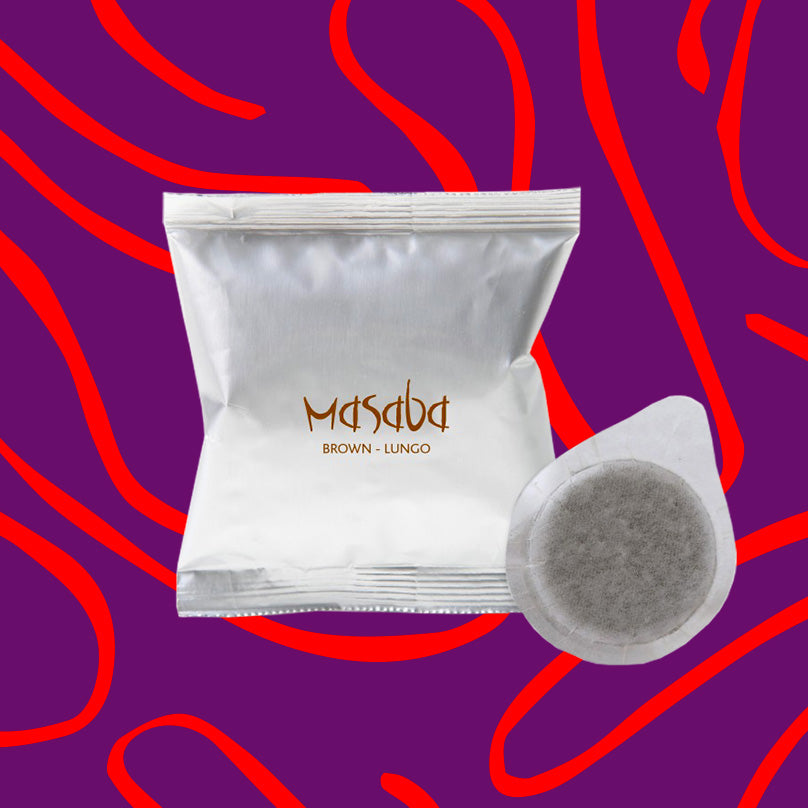
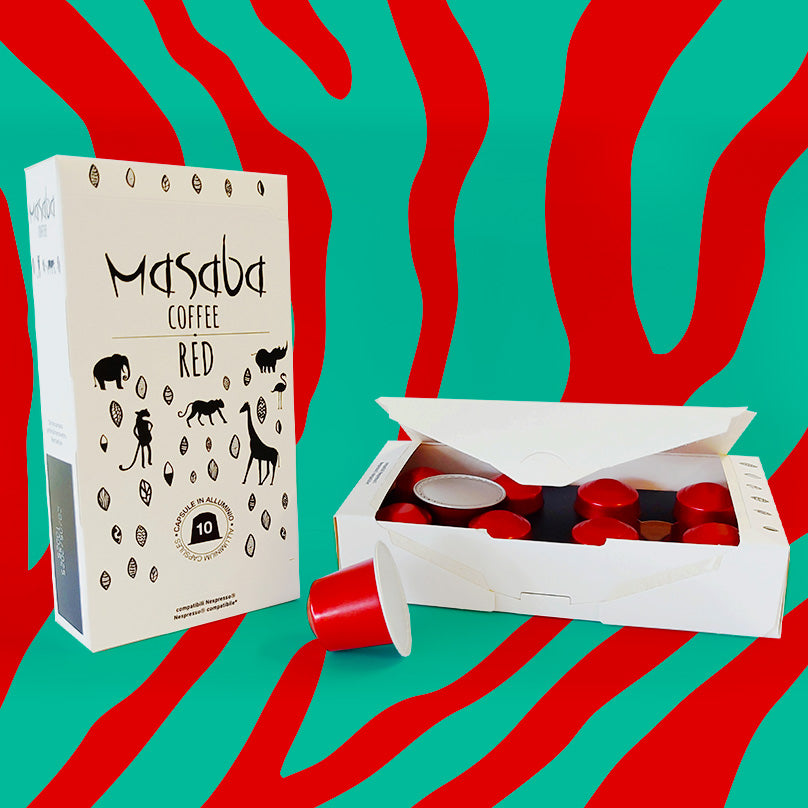
When you are ready to explore blends that reward careful brewing, Masaba Coffee offers a curated range grown through a dedicated Swiss project in Uganda, from bold and creamy espresso roasts to naturally decaffeinated options that keep their sweetness. Our hybrid space in Bironico provides expert guidance on blends and machines, whether you are dialling in a new grinder or maintaining an older espresso setup. For those who prefer convenience, we also stock ground coffee and pods without compromising on quality.
Get started with Masaba Coffee and taste the difference that fresh, ethically sourced beans make in your daily cup.
Frequently Asked Questions
Why does my home-brewed coffee taste sour?
Sour coffee is usually a sign of underextraction. The water passed through the grounds too quickly, or the grind was too coarse for the brewing method. Fix this by grinding finer, using hotter water, or extending your steep time. For pour-over, pour more slowly to increase agitation and contact time. Aim for a total brew time of 3 to 4 minutes for a single cup.
What is the best coffee-to-water ratio for pour-over?
A ratio of 1:16, meaning 1 gram of coffee to 16 grams of water, is a reliable starting point for pour-over. For a 250 ml cup, that is roughly 15 to 16 grams of coffee. If the cup tastes too strong or bitter, try 1:17. If it tastes weak or sour, move towards 1:15. Adjust by 1 gram at a time to find your ideal balance.
Does water quality affect home-brewed coffee?
Yes, water makes up over 98% of your cup. Heavily chlorinated or hard water can leave a bitter or flat taste. Use filtered water or a simple jug filter to remove impurities. The ideal water temperature is between 90°C and 96°C. If you do not have a gooseneck kettle, boil water and let it sit for 30 seconds before pouring to cool slightly.
What is the most effective way to brew better coffee at home?
The most effective change is to buy whole beans and grind them right before brewing with a burr grinder. Pre-ground coffee loses its aroma and flavour within minutes. Pair this with an accurate scale to measure your coffee and water consistently. These two steps will improve your cup more than buying an expensive new machine.
Can I make cold brew without special equipment?
Yes. You only need a large jar, a fine mesh strainer, and a coffee filter. Combine 100 grams of coarse-ground coffee with 1 litre of cold filtered water in the jar. Stir, cover, and leave it in the fridge for 12 to 18 hours. Strain the mixture through the mesh and filter. Store the concentrate in the fridge for up to a week.

